The most luxurious spaces in the world are not always the most expensive ones. They are the ones you never forget. The restaurant that made an ordinary evening feel cinematic. The home that instantly lowered your stress the moment you walked in. The office that made focus feel effortless. The hotel suite that made you feel considered before anyone even said a word to you. That feeling is not accidental; it is designed.
For years, interior architecture was judged almost entirely by aesthetics. Does the space look beautiful? Does it feel impressive? Will it look great in photographs? After years of designing spaces across Lagos and beyond through Design Dot, I have learned something important: people rarely remember a space because of how it looked alone.
They remember it because of how it made them feel. This shift is quietly redefining the future of luxury interior architecture, and it is at the core of how we approach design at Design Dot.
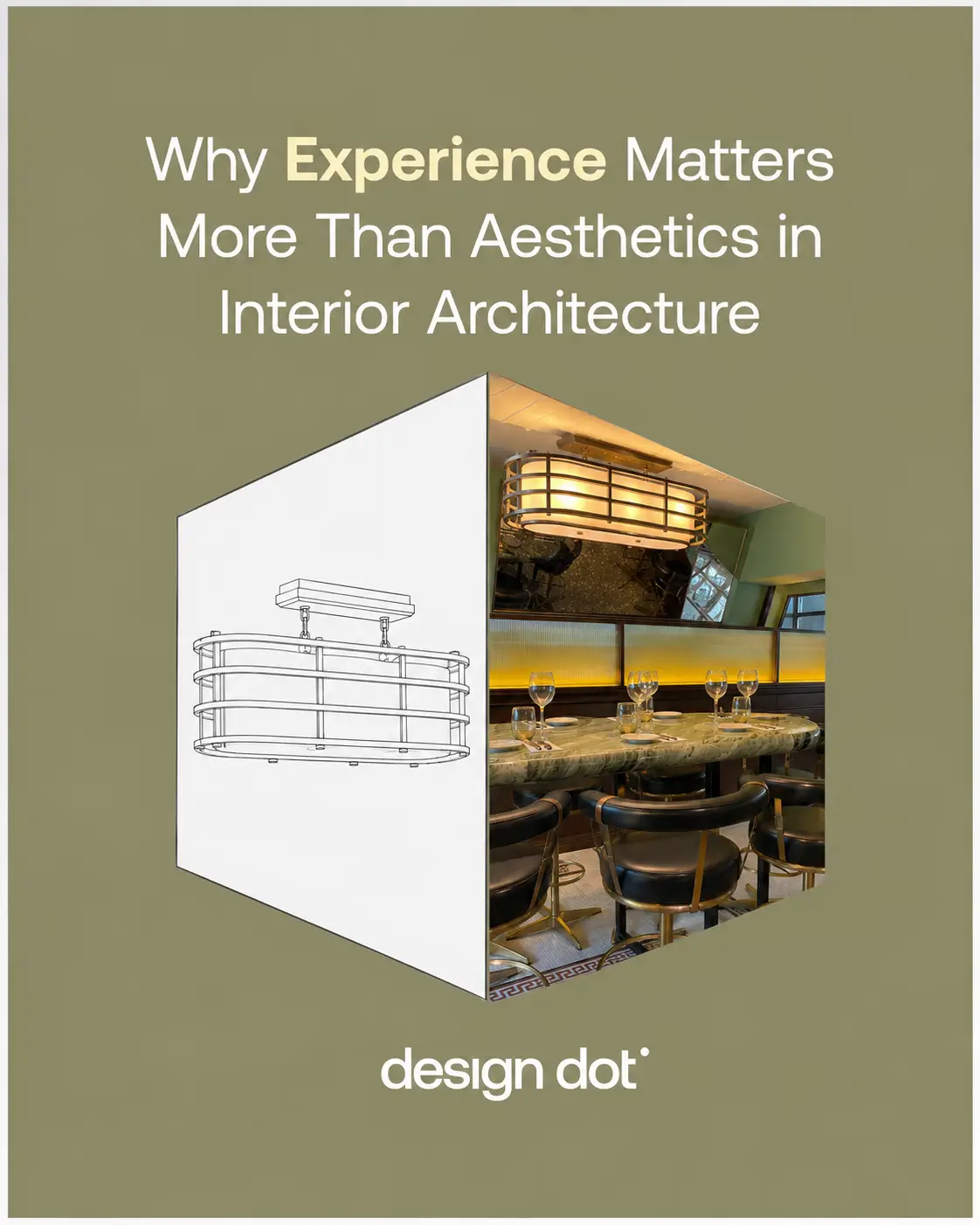
When I led the interior architecture at Vici, the goal was never simply to create a visually appealing restaurant, it was to create an atmosphere that made every guest feel simultaneously relaxed, elevated, and emotionally present.
As though the evening had been designed specifically for them. That required far more than selecting beautiful furniture or curating an elegant palette. At Design Dot, we think deeply about things most people never consciously notice:
How do people transition through a room?
How does lighting change emotional perception?
How does texture communicate warmth before a conversation even begins?
How can silence within a space sometimes feel more luxurious than styling?
Individually, these decisions may seem small, but together, they shape human experience, and that, to me, is where true luxury exists.
Across the design industry, the definition of luxury is changing. For a long time, luxury was something you could see: expensive materials, dramatic finishes and visual statements, but today’s most discerning clients are asking different questions.
They are not simply asking for beautiful spaces; they are asking for spaces that support the way they want to live. They want homes that quiet the mind without feeling empty, workspaces that encourage focus without creating pressure, hospitality spaces that draw people in without overwhelming them.
These are not aesthetic requests. They are deeply human ones. Responding to them requires a fundamentally different design philosophy, one rooted in empathy, behavioural understanding, intentionality, and emotional intelligence.
This is why I often say that interior architecture is evolving into emotional design.
The question is no longer:
“How should this space look?”
The real question is:
“How should this space make people feel?”
At Design Dot, nothing in a space exists by accident, every detail serves a purpose not because it is trendy or photographs well, but because it improves human experience. That level of intentionality requires patience; it requires deeper conversations with clients and restraint during the design process.
It requires being willing to remove beautiful elements that don’t belong in a space because sometimes, the most powerful thing in a space is not what you add but what you choose to leave out.
People may admire beautiful spaces for a moment, but the spaces they truly carry with them are the ones that changed how they felt.
At Design Dot, that is the kind of luxury we believe in, luxury that stays with you.