“In creative industries, it’s easy to get distracted by trends or comparisons. But longevity comes from authenticity.”
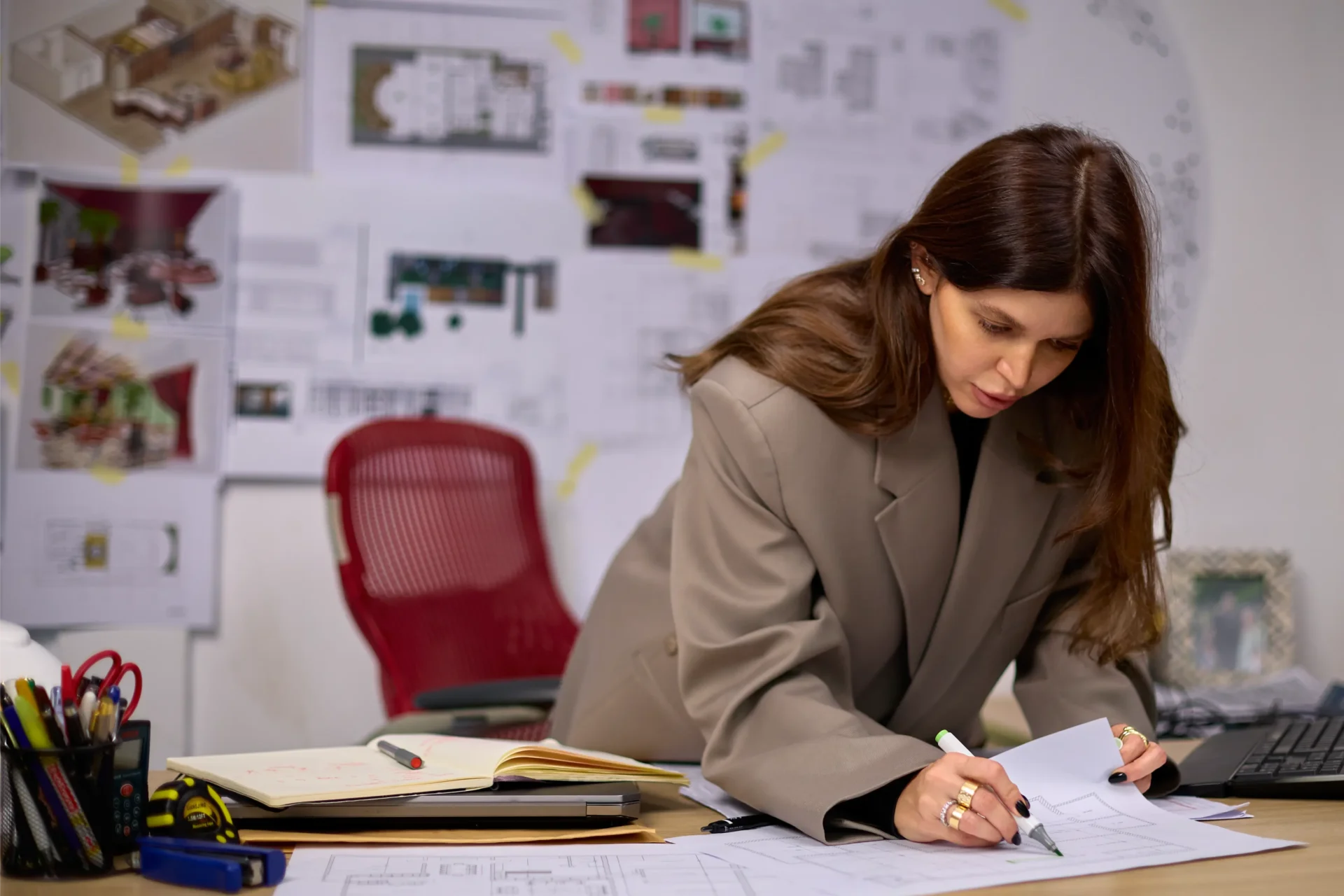
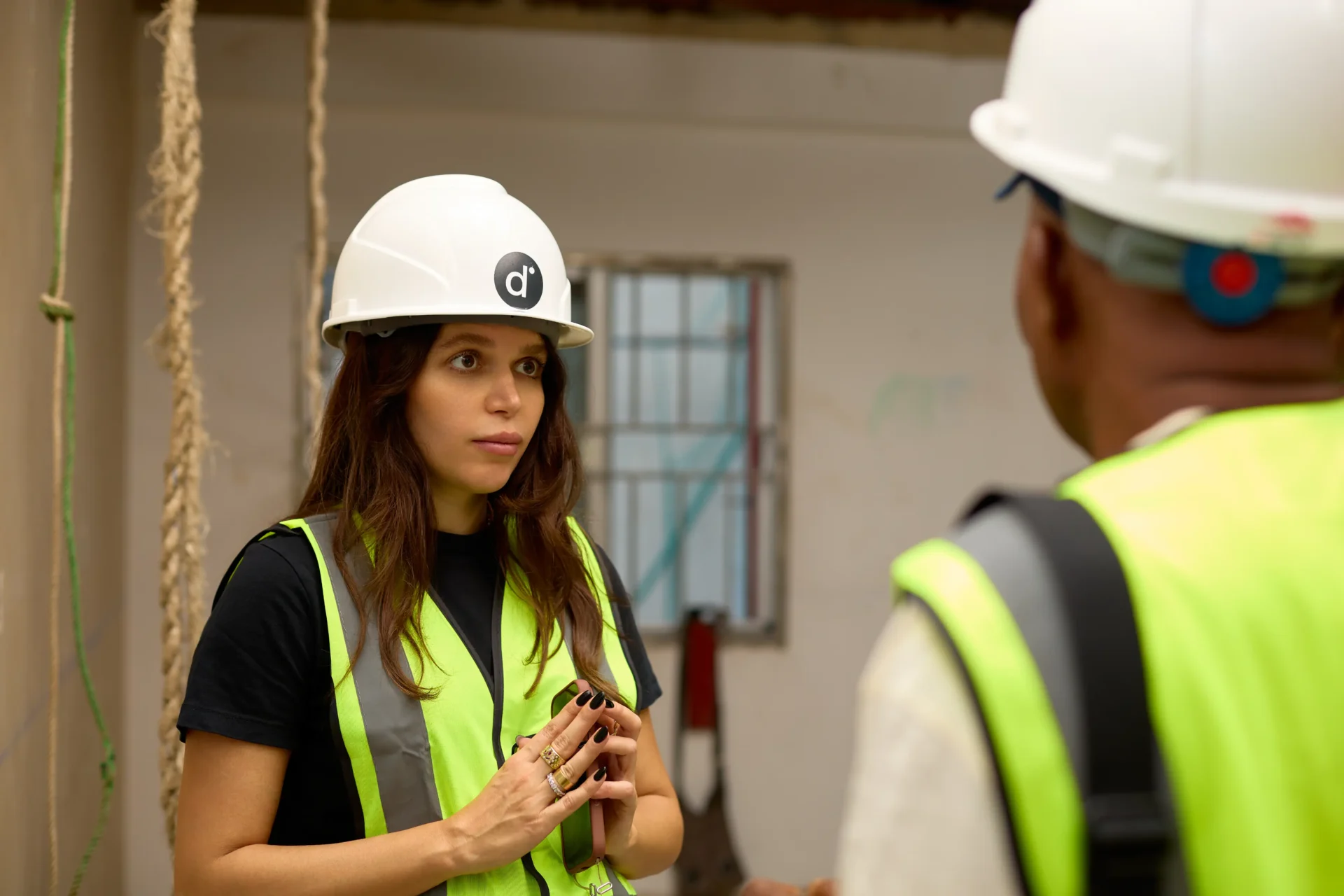
Meet Lara Jarmakani, the founder and Creative Director of Design Dot, a boutique interior design firm based in Lagos. Guided by the belief that design should transcend aesthetics, Lara leads her studio in creating spaces that tell a story, reflect identity, and enhance the way people move, live, and work.
Take us back to the beginning. What was that “spark” moment when you identified the need for a platform like Design Dot, and what was the journey like bringing that idea to life?
The spark came from a frustration: I couldn’t find interiors in Lagos that felt truly considered or emotionally connected. And I couldn’t find designers from abroad who understood the realities of executing projects in Nigeria, from achieving quality finishes to meeting tough deadlines.
So I began dreaming of a design studio that didn’t just decorate spaces, but translated personality and vision into environments that were both thoughtful and rooted in local understanding; a studio that could bridge creativity with practical execution.
The journey started small: a sketchpad, a few passionate collaborators, and lots of bold ideas. But with every project, Design Dot began to take shape as a platform where thoughtful design could flourish, and where we could reimagine what modern design in Lagos looks and feels like.
How would you describe the evolution of the interior design industry in Nigeria, especially with the rise of new technology? What excites you most about how innovation is empowering designers today?
The interior design industry in Nigeria has grown tremendously, evolving from being seen as a luxury to becoming an integral part of how people approach lifestyle, wellness, and brand identity. Technology has been a huge accelerator in this growth, especially with the rise of social media platforms. Today’s clients demand more creativity and attention to detail than ever before.
Tools like virtual walkthroughs, material simulations, and even AI allow us to push creative boundaries while working more efficiently. What excites me most is that design is becoming more accessible, no longer reserved just for the elite. More people are engaging with design, and that’s truly powerful.
Building a business from the ground up is a monumental task. Was there ever a moment early on when you felt overwhelmed by the scale of the problem you were trying to solve? How did you navigate that challenge?
Many moments. Design is deeply personal, and you often carry the weight of your clients’ trust and expectations. In the early days, I felt overwhelmed trying to juggle creativity, logistics, and business management.
What helped me was grounding myself in the “why.” Remembering that we’re not just designing pretty spaces, but creating impact, allowed me to keep going. Surrounding myself with a team that believes in the vision made all the difference.
For our audience looking to elevate their own spaces, the world of décor can be overwhelming. Could you share your expert insights on the most important things to note when looking for home décor?
Start with intention. Before buying anything, ask yourself: What mood do I want this space to create? From there, focus on quality over quantity. A few well-chosen pieces, whether it’s artwork, lighting, or a beautiful rug, will always elevate a space more than clutter.
Natural materials and good lighting are key to timelessness. And don’t be afraid to layer textures; that’s what brings warmth and personality to a home. You do, after all, spend the most time in your home. Ultimately, your space should reflect you.
Your work empowers so many creative entrepreneurs. What is the single most important piece of advice you would give to someone looking to follow in your footsteps?
Know your voice and trust it. In creative industries, it’s easy to get distracted by trends or comparisons. But longevity comes from authenticity.
Stay rooted in what makes your perspective unique, and be consistent with it. Also, don’t underestimate the business side; creativity needs structure to thrive. Surround yourself with people who can complement your strengths, and keep evolving.